
If you’ve ever wondered about director vs producer roles, the short answer is this: one shapes the story, the other makes sure the story gets made.
Both jobs sit at the top of a film’s hierarchy, but they solve completely different problems.
Mix them up and you’ll misunderstand who actually controls what on a production.
Here’s how each role breaks down, starting with the director.
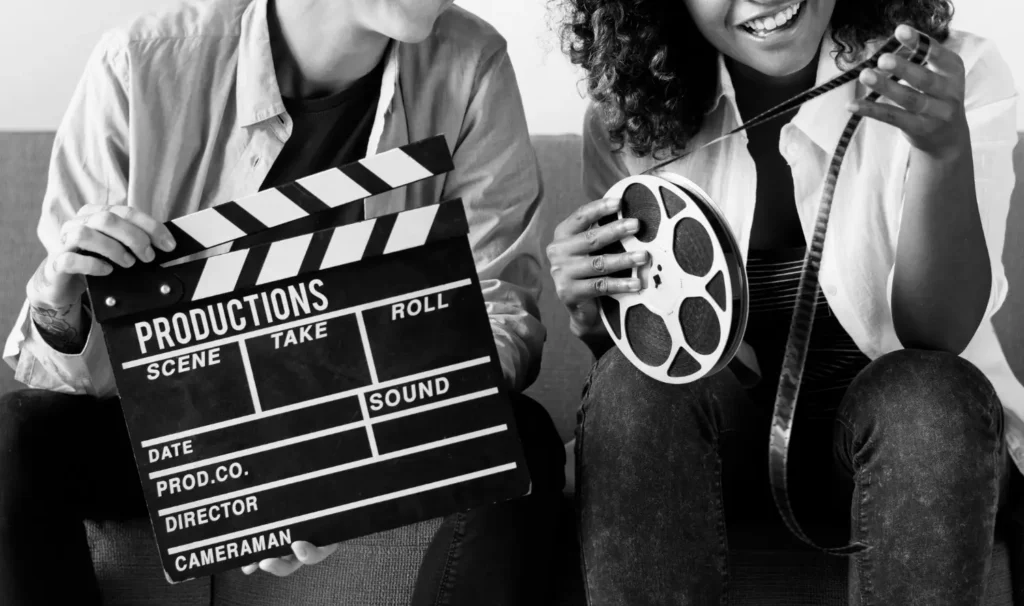
What Does a Director Do?
The director is the creative lead on set. They decide how each scene looks, sounds, and feels.
That includes blocking actors, choosing camera angles, and shaping performances during rehearsal and takes.
Directors work closely with department heads, like the cinematographer and editor, to keep the film’s vision consistent.
Once filming wraps, many directors stay involved through editing to protect the tone they built on set.
What Does a Producer Do?
The producer handles the business side of getting a film made.
That covers financing, budgeting, scheduling, hiring key crew, and managing contracts.
Producers often get involved before a script is even finished, lining up funding and attaching talent.
On set, producers focus on keeping the production on budget and on schedule, not on directing performances.

Director vs Producer: The Real Differences
Creative control sits with the director. Business control sits with the producer.
A director answers to the producer and the studio. A producer answers to investors, studios, or financiers.
Directors are usually on set every single day. Producers move between the set, the office, and meetings with money people.
A producer can get attached to a project years before a director is even hired.
A director’s name is tied to the finished film’s style. A producer’s name is tied to whether the film got made at all.
Some people do both jobs at once, especially on smaller independent films, but the responsibilities don’t disappear, they just stack on one person.
Can One Person Be Both?
Yes, and it happens often on low budget or independent projects where one person wears multiple hats.
Even then, the director vs producer split still matters, because someone still has to make the creative calls and someone still has to make sure the money holds out.